
They Fought for the Country that Detained Their Families: Japanese American Soldiers in WWII
by Jenny Ashcraft |
The 442nd Regimental Combat Team is a WWII U.S. Army regiment composed almost entirely of second-generation Japanese Americans, known as Nisei, who answered the call to serve. They fought in Italy and France and were described by more than one commander as, “The finest assault troops he’d ever led.” They volunteered at a time when many Japanese American families lived in internment camps. Some members of the 442nd were serving in the Hawaii National Guard when the Japanese attacked Pearl Harbor. The government made them turn their weapons in, but as the war progressed, the War Department permitted them to bear arms in defense of their country. We’ve recently added the Unit History for the 442nd, which consists of the 442nd Infantry Regiment, the 522nd Field Artillery Battalion, and the 232nd Combat Engineer Company. Later the 100th Infantry Battalion joined with the 442nd.
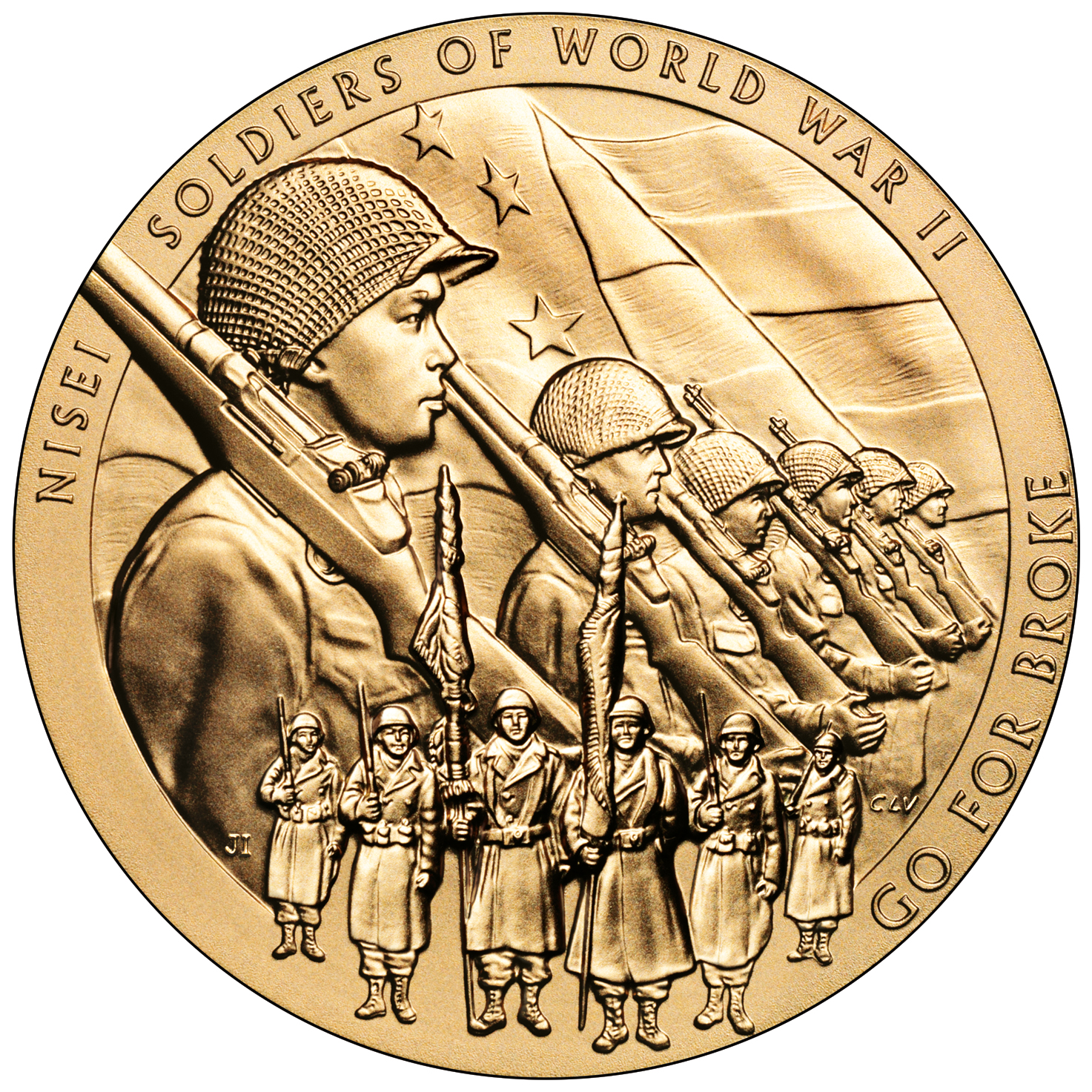
This Unit History is part of Fold3’s growing collection of Unit Histories, many of which are donated by our users. We can digitize any Unit History or military yearbook and return the original undamaged book to the donor. Fold3 is dedicated to preserving and sharing Unit Histories and make them available for anyone to view free of charge.
After the 442nd was organized, they reported to Camp Shelby in Mississippi for training. Later they headed to the European Theater. In June 1944, the 100th Infantry Battalion met up with the 442nd Regimental Combat Team, both having fought through Italy.
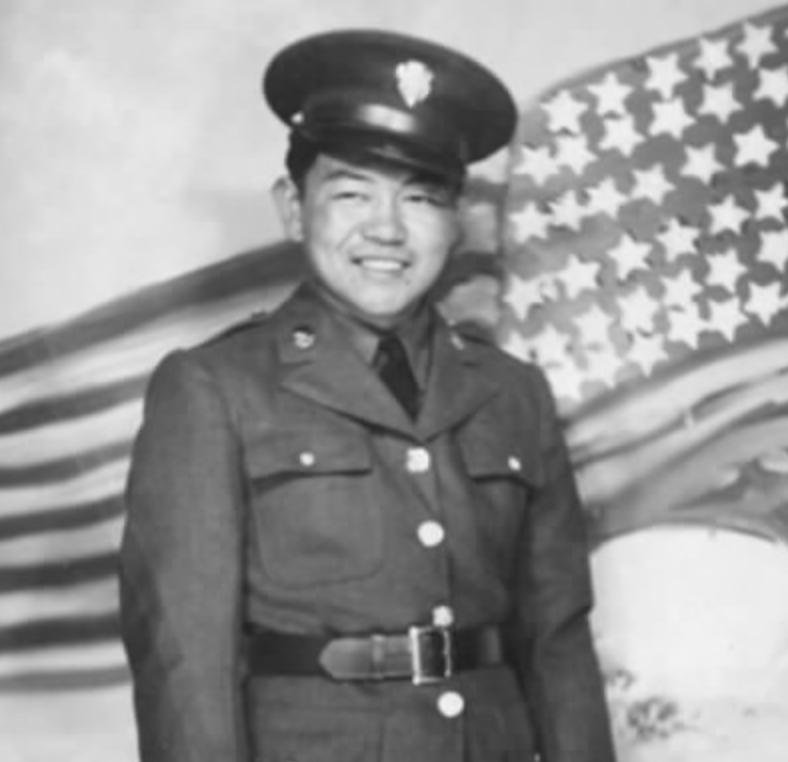
Among the heroic soldiers in this unit was Sadao S. Munemori. He was born to Japanese immigrants. Just a month before the attack on Pearl Harbor, Sadao joined the U.S. Army and was in an Army training center when his family was forced out of their home and to an inland internment camp. Sadao was assigned to the 442nd Regimental Combat Team and sent to Anzio as one of the first group of replacements for the 100th Infantry Battalion, who had already been in combat for nine months.
After Rome fell to Allied hands in June 1944, the 100th and 442nd shifted to France, where they played a heroic role in the forests above Bruyeres. Later, they returned to Italy with a new objective, to break through the Gothic Line. The Gothic Line was a defensive barrier in the northern Apennines mountain range. The 100/442 scaled the mountains and sent a massive artillery barrage down on German forces. The enemy returned fire relentlessly. At one point, Sadao and several other soldiers dove into a shell crater for protection and to avoid heavy fire. Noticing two machine-gun nests, Sadao decided to try and eliminate them. He crawled from the hole and attacked the machine-gun nests with hand grenades, knocking them both out. While crawling back to safety, a live grenade bounced off his helmet and fell into the hole. Knowing there wasn’t time to throw the grenade out, Sadao threw his body over it and absorbed the impact as it exploded. Sadao died instantly, but his comrades survived. Sadao Munemori became the only Japanese American to be awarded the Medal of Honor during the war (other Japanese Americans received the medal long after the war ended.)
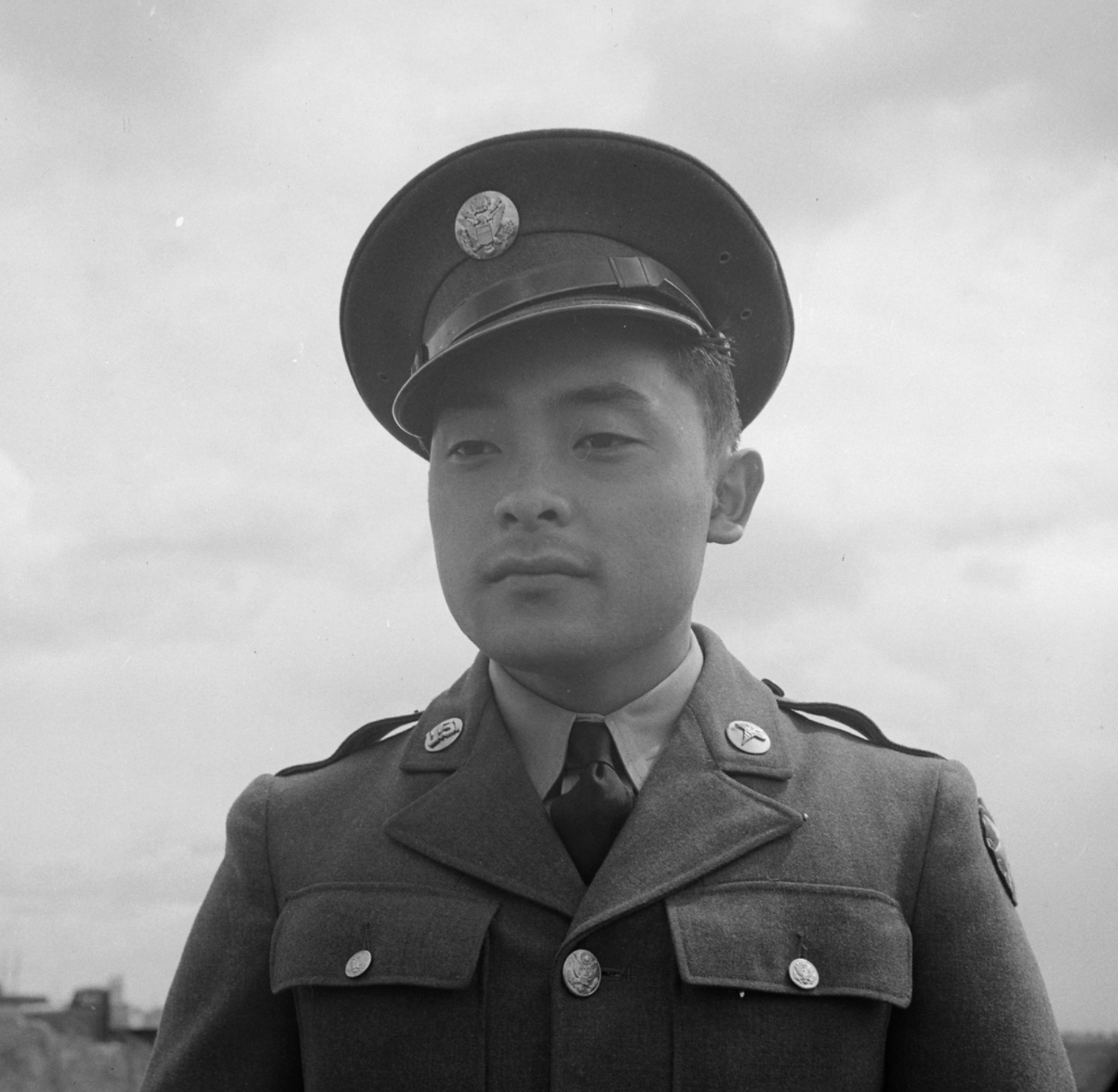
To learn more about these heroic Nisei soldiers, search the Unit History of the 442nd Infantry Regiment.
Asian American Military Contributions
Asian Americans and Pacific Islanders have made significant contributions to the US military dating back to the War of 1812. May is Asian Pacific American Heritage Month and to honor those many contributions, we’ve highlighted the actions of just a few.

Joseph Pierce: During the 1800s, job opportunities brought many Asian immigrants to the United States, but Joseph Pierce arrived in a slightly different way. He was born in China and brought to the US by his adoptive father, sea captain Amos Peck. There are several theories about how Peck came to adopt his son, but a photograph unearthed in the mid-1900s provides one. The photograph, purportedly of Joseph Pierce’s daughter, has an inscription on the back that reads, “Daughter of Joseph Pierce who was picked up 40 miles from shore in the China Sea by Capt. Peck.” Pierce (a name he later chose) was about 10 years old when he arrived in America in the early 1850s. On July 26, 1862, he enlisted in the Connecticut 14th Infantry Regiment, Company F. He fought valiantly in pivotal battles including Antietam and Gettysburg, and reached the highest rank of any Chinese American to serve in the Union Army, being appointed Corporal on November 1, 1863. He participated in the Grand Review of the Armies in Washington, D.C., and mustered out on May 31, 1865. His picture hangs in the Gettysburg Museum.
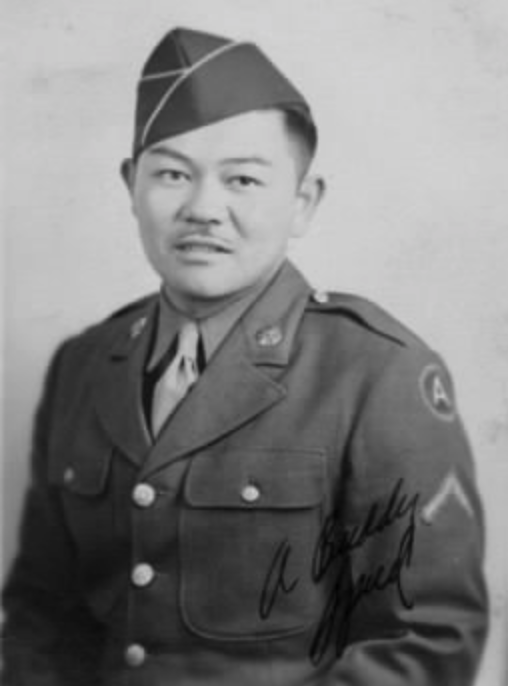
Sadao Munemori: When Japanese forces attacked Pearl Harbor, more than a quarter-million Asian Americans were living in the US. In 1942, officials moved thousands to internment camps. Despite this, valiant Japanese American soldiers still volunteered to serve their country. Nisei is a Japanese language term used to describe second-generation Japanese Americans, and thousands of Nisei soldiers enlisted for service. The 442nd Infantry Regiment was an all-Nisei regiment and the most decorated unit for its size and length of service. Pfc. Sadao Munemori was in a US Army training center when his family was forced out of their home and moved to an inland internment camp. He served in the 442nd and while advancing up a strongly fortified hill in Italy, Munemori’s squad came under attack. Munemori moved through direct fire and knocked out two enemy machine guns. While returning to a crater where two of his fellow soldiers huddled, a grenade bounced on his helmet and rolled towards the crater. Munemori dived on the grenade and absorbed its impact. He was posthumously awarded the Medal of Honor.
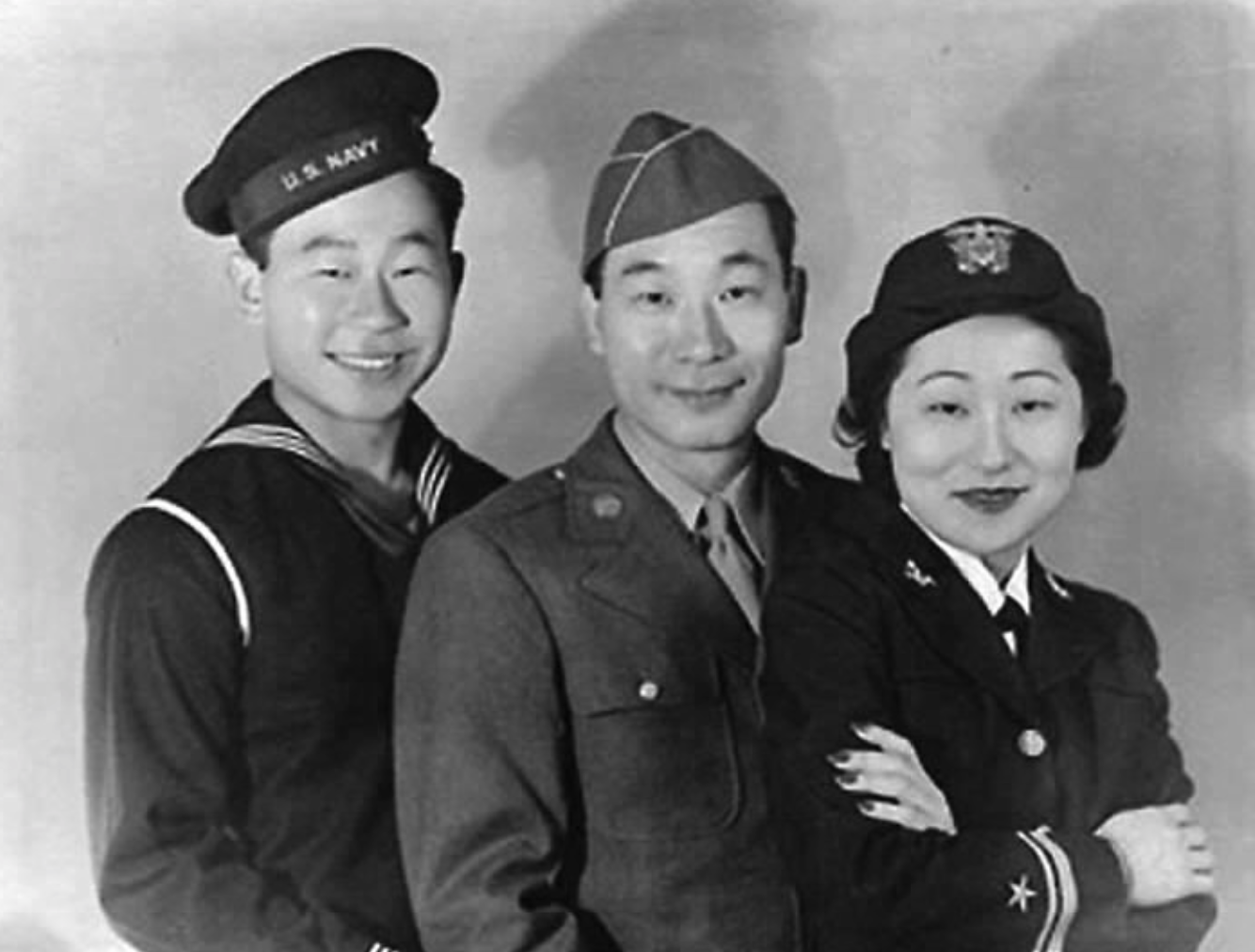
The Ahn Siblings: In 1902, Dosan Ahn Changho and Helen Lee became the first Korean married couple to immigrate to the US. Dosan was an activist who fought against the Japanese occupation in Korea. Their home became a haven for other Korean immigrants in America. The couple had five children, and when WWII broke out, three Ahn siblings enlisted to serve. Ralph Ahn joined the US Navy in 1944 to fight the Japanese. Philip Ahn enlisted in the US Army and served in the Special Services as an entertainer. He was a prolific actor and played Japanese villains in war films. After the war, Ralph followed in his brother’s footsteps and became an actor, appearing in television and films. Susan Ahn led a distinguished military career and was the first Asian American woman in the Navy. She became a Navy LINK instructor in 1943, teaching aviators how to maneuver in simulators. She also became the first aerial gunnery officer in the Navy and rose to the rank of Lieutenant. She later served in Navy Intelligence.
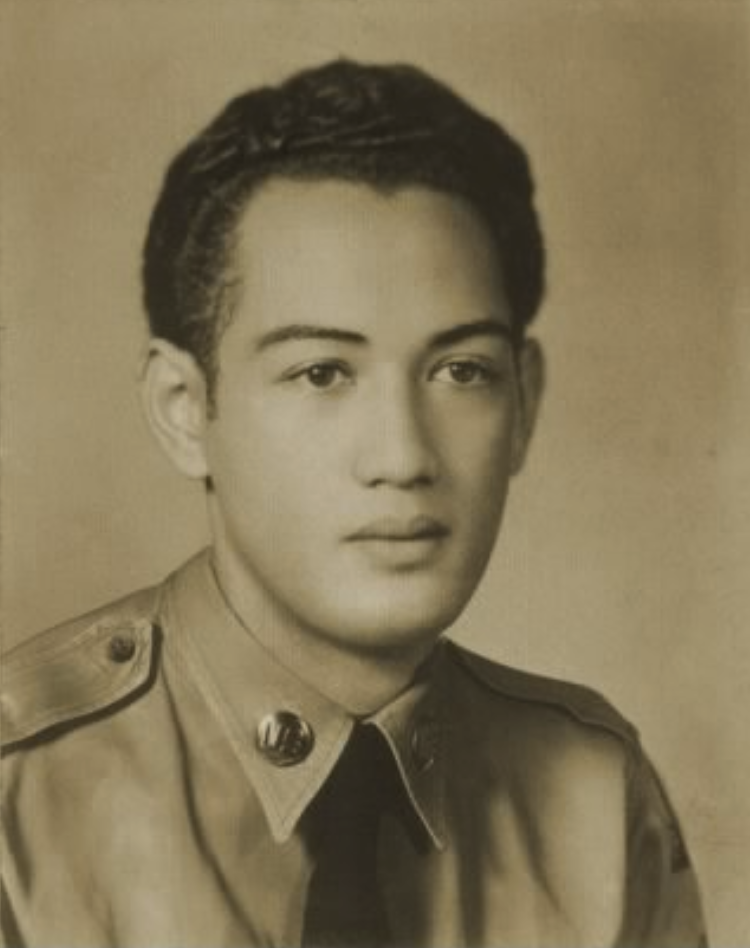
Herbert K. Pililaʻau: Native Hawaiian and Pfc. Herbert K. Pililaʻau was born on the Island of Oahu in the Waianae district. Drafted into the Army, he served in the Korean War in Company C, 23rd Infantry Regiment, 2nd Infantry Division. On the morning of September 17, 1951, C Company was involved in a bloody battle with two enemy battalions. After an hour of heavy fighting in an area that would come to be known as Heartbreak Ridge, C Company ran short of ammunition. Pililaʻau volunteered to stay behind and covered the withdrawal of his fellow soldiers. He fired his automatic weapon until he ran out of ammunition, then he began to throw grenades. After those were gone, he grabbed a trench knife and engaged in hand-to-hand combat. More than 40 enemy soldiers died before Pililaʻau was completely overwhelmed by enemy troops and killed. He was posthumously awarded the Medal of Honor.
To learn more about additional Asian American and Pacific Islander contributions in the military, search our Honor Wall on Fold3® for individual stories of bravery and valor.
If you have a Unit History or a military yearbook that you are willing to share, please contact us at content@fold3.com. We’ll make arrangements to digitize your book and return it safely and undamaged to you. Others will then be able to view that Unit History or yearbook for free. See more Unit Histories at Fold3 today.
You are not authorised to post comments.