
Let Me Leave You My Calling Card
Want to take a peek into a fascinating social custom from the Victorian era? Calling cards (also called visiting cards or visiting tickets) were all the rage in the 19th century and represented an indispensable way to communicate. The cards did much more than just announce a visit, they relayed important social messages. For example, a calling card with a folded corner, or a card in a sealed envelope sent clear messages that accompanied strict etiquette protocols. By the early 1900s, calling cards fell out of fashion. Today’s business cards are a leftover relic from the calling card era.
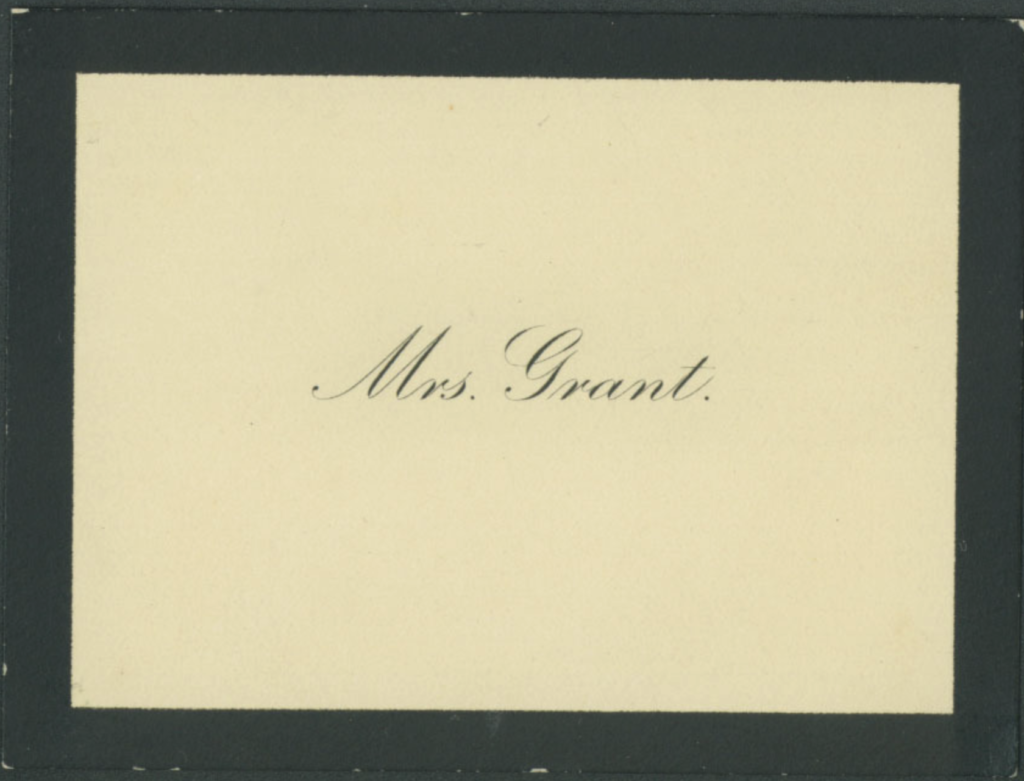
Calling cards first became popular in Europe in the 18th century and were favored by royalty and nobility. Their popularity spread across Europe and to the United States and soon calling cards became essential for the fashionable and wealthy. Society homes often had a silver tray in the entrance hall where guests left their cards. A tray full of cards (with the most prominent cards on top) was a way to display social connections.
Both men and women used calling cards and they were distinguishable by size. Men’s cards were long and narrow so they could fit in a breast pocket. Women’s cards were larger and during the Victorian era, became more ornate and embellished. According to this article from 1890, a typical society woman handed out nearly three thousand cards each year.
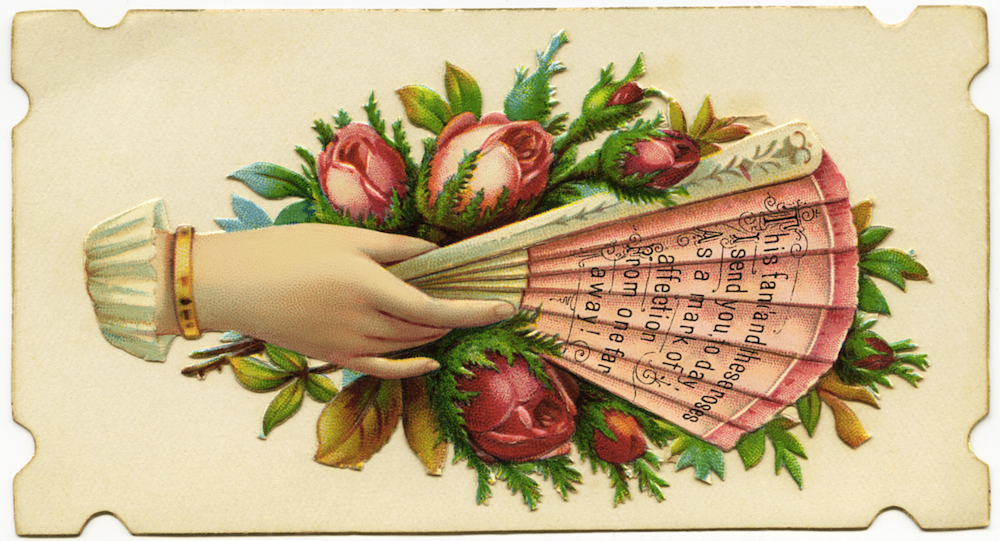
When wishing to arrange a visit, a caller generally waited in a carriage while a servant delivered the calling card to a household. If delivering the card in person, it was customary to fold the upper right-hand corner. This indicated that the caller made the effort to deliver the card personally. The visitor then returned home and within a few days would likely receive a calling card in return, sometimes with a short note written on the back. This usually extended an invitation to visit. Visits were generally short, formal, and at designated visiting hours. If a calling card wasn’t acknowledged, or worse, returned in a sealed envelope, it meant the offer to visit was rejected.
When leaving a calling card, different messages could be communicated by folding different corners of the card.
- The lower left-hand corner to express condolences
- The upper left-hand corner to express congratulations
- The lower right-hand corner indicated the caller was planning a long trip and did not expect an acknowledgment
If the household contained more than one woman, a gentleman caller folded a corner to indicate he intended to visit the entire household. A woman also followed strict protocol when leaving calling cards. She never left her card at a home where a bachelor resided without also including her husband’s card. When leaving after a visit, a woman generally left two of her husband’s cards – one for the master of the house and one for the mistress.
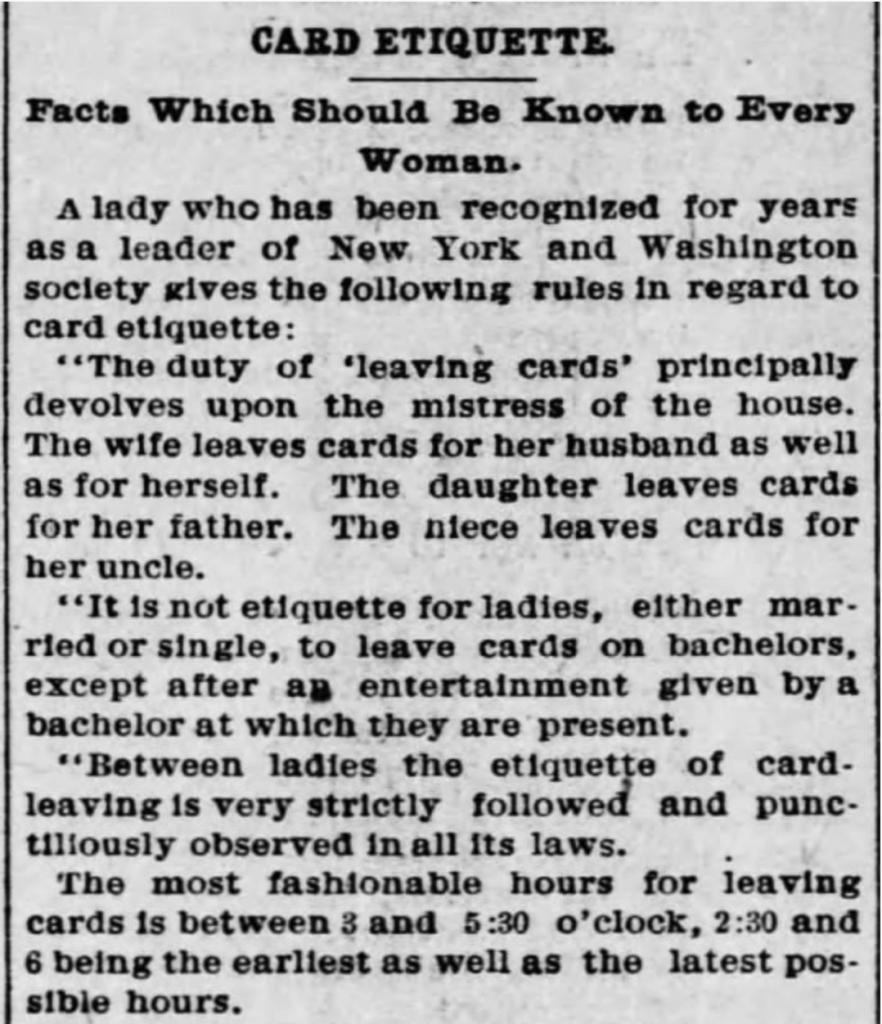
The social rules were enough to make your head spin, but upper-crust society was schooled in the practice, and newspapers published calling card etiquette rules for others to navigate.
By the early 1900s, calling cards began to decline in popularity just as the use of business cards was on the rise. A change in formal social customs and new-fangled telephones led to a steady decrease in arranged visits. Businesses, which adopted the calling card custom, continue to use them today. If you would like to learn more about calling cards and their impact on the social customs from earlier days, search Newspapers.com!
You are not authorised to post comments.